

What Is “Exhentaime”? Separating Fact from Fiction in the World of Online Content
December 1, 2025
What Is Beit Bart? Unraveling the Mystery Behind a Curious Phrase
December 2, 2025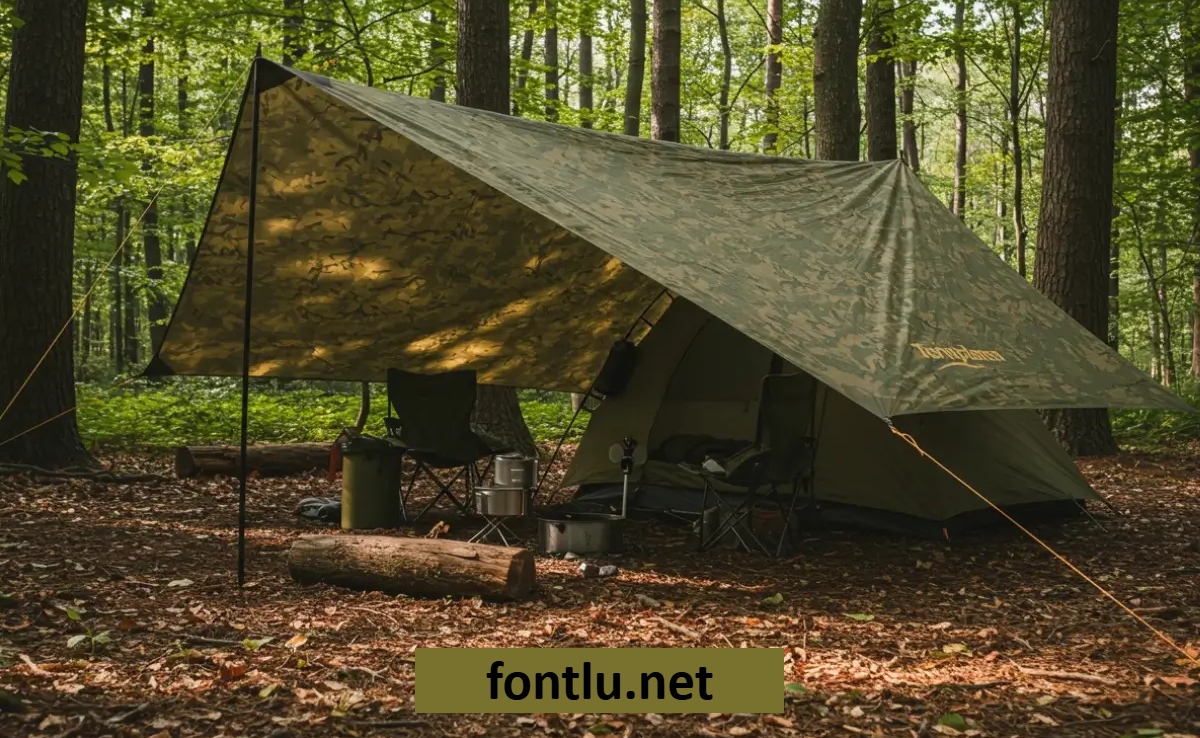
If you’ve ever wandered through a forest, set up camp near a lake, or watched a military documentary, you’ve probably seen them — those large, patterned sheets draped over tents, gear, or even vehicles. They blend into the surroundings like magic. These are Tarnplanen — and they’re more than just “camo tarps.” They’re essential tools for anyone who spends time outdoors, whether you’re hiking, hunting, camping, or just enjoying nature.
In this guide, we’ll take you on a journey through what Tarnplanen really are, why they matter, how to pick the right one, and how to use them like a pro. Whether you’re a weekend warrior or a seasoned survivalist, this article is packed with tips, tricks, and real-world advice to help you make the most of your Tarnplane.
What Exactly Are Tarnplanen?
Let’s start with the basics.
Tarnplanen (pronounced tarn-plah-nen) is a German word that literally translates to “camouflage tarpaulins.” In English, you might hear them called:
- Camo tarps
- Military tarps
- Shelter tarps
- Tactical tarps
They’re heavy-duty, weather-resistant sheets made from materials like polyester, nylon, or cotton canvas. Most feature camouflage patterns designed to break up shapes and blend into natural environments — think forests, deserts, or snowy fields.
Originally developed for military use, Tarnplanen have become popular among civilians for their durability, versatility, and stylish, tactical look.
💡 Fun Fact: The term “Tarnplanen” comes from “Tarnung,” which means “camouflage” in German — so you’re essentially using a “camouflage sheet.”
Why Do People Love Tarnplanen?
There are dozens of reasons why Tarnplanen have earned their loyal following. Here are the top five:
1. They Keep You Dry — Rain or Shine
Whether it’s pouring rain or blazing sun, a good Tarnplane acts as a shield. Many modern versions are waterproof or water-resistant, making them perfect for creating dry zones under trees, beside tents, or even over picnic tables.
2. They Blend Into Nature
Unlike plain blue or gray tarps, Tarnplanen are designed to disappear into their surroundings. This is especially useful if you’re hunting, birdwatching, or practicing stealth camping. No need to worry about standing out — your Tarnplane does the hiding for you.
3. They’re Super Versatile
One Tarnplane can do the job of ten different pieces of gear. Use it as:
- A rainfly over your tent
- A groundsheet to keep your sleeping bag dry
- A sunshade during midday hikes
- A privacy screen at campsites
- A makeshift shelter in emergencies
The possibilities are endless.
4. They’re Built to Last
Military-grade materials mean these tarps are tough. They resist tearing, UV damage, and mildew. With proper care, a high-quality Tarnplane can last for years — even decades.
5. They Look Cool
Let’s be honest — there’s something undeniably cool about a well-set-up campsite with a Tarnplane stretched between two trees. It looks rugged, prepared, and ready for anything. Plus, the classic Flecktarn or Woodland patterns give off serious adventure vibes.
Types of Tarnplanen Patterns You Should Know

Not all Tarnplanen look the same. Different patterns are designed for different environments. Here’s a quick breakdown:
🌲 Flecktarn (German Splinter Pattern)
This is the most iconic Tarnplane pattern. Developed in the 1970s for the German Bundeswehr, it features irregular green, brown, black, and red-brown spots. Perfect for Central European forests and mixed terrain.
🏜️ Tropentarn (Desert Camo)
Lighter colors — beige, sand, and pale green — make this ideal for arid or semi-arid regions. Great for desert camping or Middle Eastern-style environments.
❄️ Schneetarn (Snow Camo)
All-white or white with light gray patches. Designed for winter use, especially in snowy mountain areas or northern climates.
🍂 Woodland / Multicam
These are newer, more modern patterns used by NATO forces. They combine earth tones with subtle shapes to work across multiple terrains — forests, grasslands, and even urban edges.
✅ Tip: Choose your pattern based on where you’ll be using it most. If you hike in dense woods, go with Flecktarn. If you camp in open fields or deserts, pick Tropentarn or Multicam.
How to Choose the Right Tarnplane for Your Needs
With so many options available, picking the right Tarnplane can feel overwhelming. Here’s what to look for:
🔹 Size Matters
Tarnplanen come in all sizes — from small 1.5m x 2m sheets for solo backpackers to massive 4m x 6m tarps for group campsites. Think about:
- How many people will use it?
- Will it cover a tent, gear, or both?
- Do you need extra space for cooking or sitting?
A good rule of thumb: Bigger is better — you can always fold or roll up excess material, but you can’t stretch a small tarp to cover more area.
🔹 Material Quality
Look for:
- Ripstop fabric: Resists tearing and holds up under stress.
- Waterproof coating: Keeps rain out without adding too much weight.
- UV resistance: Prevents fading and degradation from sunlight.
- Reinforced corners and grommets: For secure tying and anchoring.
Avoid cheap, thin plastic tarps — they tear easily and don’t last long.
🔹 Weight and Portability
If you’re backpacking, every ounce counts. Lightweight Tarnplanen (under 1kg) are ideal for hikers. For car camping or base camps, heavier, more durable models are fine.
🔹 Grommets and Ropes
Most Tarnplanen come with metal or plastic eyelets (grommets) along the edges. Make sure they’re rust-proof and evenly spaced. Also check if the tarp includes guy lines or if you need to buy them separately.
📦 Pro Tip: Always carry a few extra paracord lengths and tensioners — they make setting up your Tarnplane faster and easier.
How to Set Up Your Tarnplane Like a Pro
Setting up a Tarnplane isn’t rocket science — but doing it right makes all the difference. Here’s a simple step-by-step guide:
Step 1: Pick the Right Spot
Look for flat ground with sturdy trees or poles nearby. Avoid low-lying areas where water might pool.
Step 2: Lay It Out
Unfold your Tarnplane and lay it flat on the ground. Check that all corners are free and no folds are caught underneath.
Step 3: Anchor the Corners
Use stakes or rocks to hold down each corner. If you’re attaching to trees, tie ropes to the grommets and secure them with knots (like a bowline or trucker’s hitch).
Step 4: Create Slope for Water Runoff
Make sure one side is slightly lower than the other — this helps rainwater slide off instead of pooling in the middle.
Step 5: Add Guy Lines for Stability
Attach ropes to the sides and anchor them outward. This prevents flapping in the wind and keeps your shelter tight.
Step 6: Test It
Give it a gentle shake. If it feels loose or wobbly, tighten the ropes. If it sags in the middle, raise the center support or add another pole.
🛠️ Bonus Hack: Use trekking poles or sticks to prop up the center of your Tarnplane — creates extra headroom and improves airflow.
Real-Life Uses of Tarnplanen Beyond Camping
You might think Tarnplanen are only for campers — but they’re useful in so many other situations:
🎯 Hunting & Wildlife Observation
Hunters use Tarnplanen to hide blinds or ground blinds. Birdwatchers use them to create quiet, shaded observation posts without scaring animals away.
🎒 Bushcraft & Survival Skills
In survival scenarios, a Tarnplane can become your lifeline — shelter, rain collector, signal flag, or even a stretcher in emergencies.
🎮 Airsoft & Paintball Games
Players love Tarnplanen for building bunkers, sniper nests, or team bases. The camouflage helps them stay hidden while strategizing.
🏕️ Backyard & Garden Use
Even if you never leave your neighborhood, Tarnplanen can protect garden tools, cover firewood piles, or shade your patio during hot summer days.
🚗 Vehicle Protection
Some people drape Tarnplanen over cars, ATVs, or motorcycles when parked outdoors — protects against dust, leaves, and light rain.
Caring for Your Tarnplane: Maintenance Tips
Your Tarnplane is an investment — treat it right, and it’ll serve you for years. Here’s how:
✔️ Clean It Regularly
After each trip, brush off dirt and debris. If it’s muddy, rinse it gently with water (no soap unless necessary). Let it air dry completely before storing.
✔️ Store It Properly
Never store your Tarnplane damp or folded tightly. Roll it loosely around a cardboard tube or hang it in a dry place. Avoid plastic bags — they trap moisture.
✔️ Check for Damage
Before each trip, inspect for holes, frayed edges, or broken grommets. Patch small tears with repair tape or sew them up with heavy-duty thread.
✔️ Avoid Sharp Objects
Keep knives, branches, and rough surfaces away from your Tarnplane. Even small snags can turn into big rips over time.
🧼 Quick Cleaning Tip: Mix a little mild detergent with warm water, scrub gently with a soft brush, rinse thoroughly, and dry in the shade — never direct sunlight!
Where to Buy Authentic Tarnplanen
You can find Tarnplanen almost anywhere these days — online marketplaces, outdoor stores, or even surplus shops. But not all are created equal.
👍 Trusted Sources:
- Military surplus stores – Often sell authentic, field-tested tarps.
- Specialty outdoor retailers – Offer high-quality, modern versions with warranties.
- Online platforms (Amazon, eBay, Etsy) – Wide selection, but read reviews carefully.
⚠️ Watch Out For:
- Fake “military grade” claims
- Thin, flimsy materials
- Missing grommets or poor stitching
💬 Pro Advice: Don’t just buy the cheapest option. A $30 Tarnplane might save money now — but a $60 one could last you 10 years. Think long-term value.
FAQs About Tarnplanen
Q: Can I use a Tarnplane as a tent footprint?
Yes! Many campers use smaller Tarnplanen as groundsheets under their tents to prevent moisture from seeping up. Just make sure it’s slightly smaller than your tent so rain doesn’t pool underneath.
Q: Are Tarnplanen legal to own or use in public?
In most countries, yes — they’re considered general outdoor gear. However, some places restrict wearing or displaying military camouflage in public spaces. Always check local laws if you plan to use one in urban areas.
Q: How do I repair a torn Tarnplane?
Small holes can be patched with heavy-duty duct tape or specialized repair kits. For larger tears, sew them with strong thread or use a patch kit designed for tarps.
Q: Can I wash my Tarnplane in a washing machine?
Not recommended. Machine washing can damage the waterproof coating and weaken seams. Hand-wash or rinse with water instead.
Q: Is there a difference between Tarnplanen and regular tarps?
Absolutely. Tarnplanen are specifically designed for camouflage and often built with stronger, more durable materials than standard tarps. They also usually include features like reinforced corners and military-grade patterns.
Final Words
Tarnplanen aren’t just pieces of cloth — they’re tools of adventure, protection, and creativity. Whether you’re pitching a shelter in the woods, hiding from the sun at a festival, or protecting your gear from the elements, a good Tarnplane is your silent partner in the great outdoors.
As you explore the world — whether it’s a weekend hike or a cross-country road trip — let your Tarnplane be your trusted companion. Choose wisely, set it up smartly, and care for it well. And remember — the best adventures aren’t just about where you go… they’re about how prepared you are when you get there.
So grab your Tarnplane, head outside, and let nature welcome you — quietly, comfortably, and perfectly camouflaged.
