

Tarnplanen: The Ultimate Guide to Camouflage Tarps, Technology, and Travel Applications (2025 Update)
December 2, 2025
Binuscx – Everything You Need to Know About the Platform and Its Features
December 2, 2025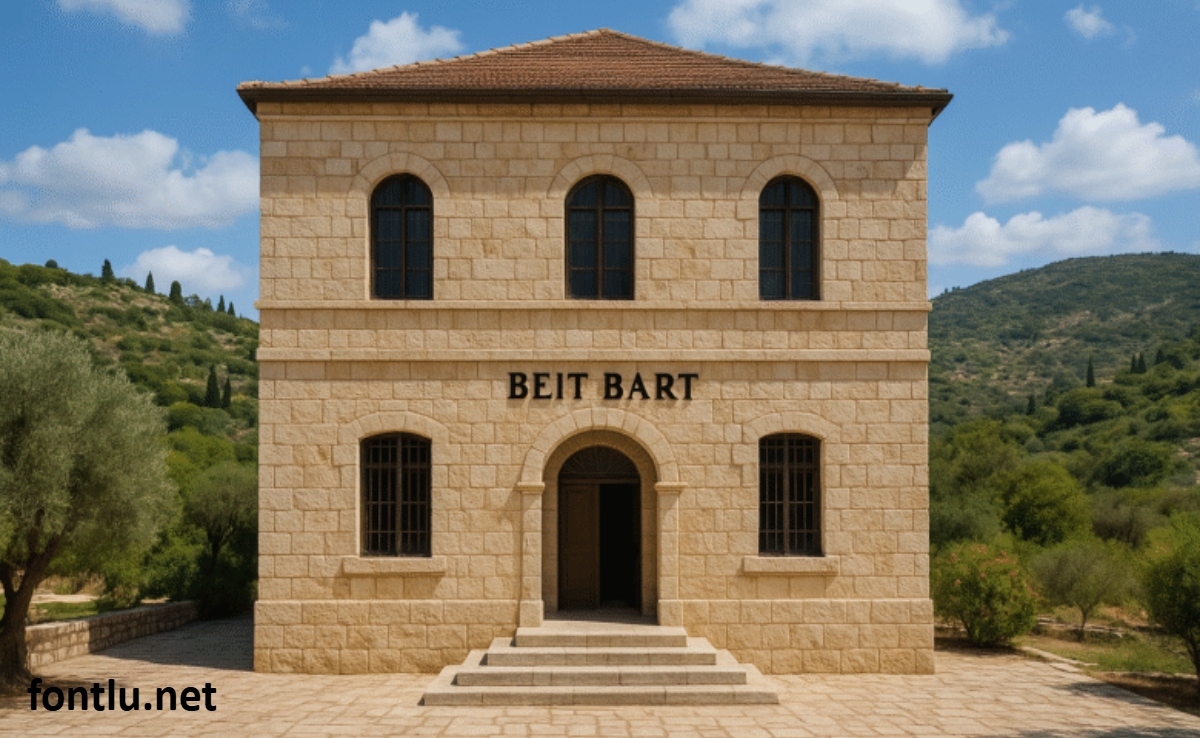
In the vast digital landscape of today’s internet, certain phrases spark curiosity purely because they’re unfamiliar. One such phrase is “Beit Bart.” At first glance, it might sound like a person’s name, a brand, a place, or even a typo. But as more people search for “Beit Bart,” questions arise: What does it mean? Where does it come from? Is it real?
In this comprehensive guide, we’ll explore the possible meanings behind Beit Bart, examine linguistic and cultural contexts, and help you understand why this phrase has captured the curiosity of online users. Whether you stumbled upon it in a conversation, a song lyric, or a social media post, you’re not alone—and you’re in the right place.
The Origins of “Beit Bart”: Language and Etymology
To understand Beit Bart, it helps to break it down linguistically. The phrase appears to combine words from different language traditions, which is common in multicultural or transliterated expressions.
“Beit” – A Common Semitic Root
The word “Beit” (also spelled Bayt, Bet, or Bait) is widely used across Semitic languages like Arabic, Hebrew, and Aramaic. In all these contexts, it means “house” or “home.” For example:
- In Arabic: Bayt al-Sha’ir means “House of the Poet.”
- In Hebrew: Beit HaMikdash refers to the “Holy Temple” in Jerusalem.
So “Beit” almost universally signals a structure, a dwelling, or a symbolic institution.
“Bart” – A Tricky Second Half
“Bart” is less straightforward. It could be:
- A shortened form of names like Bartholomew or Barbara (e.g., Bart Simpson).
- A Dutch or Scandinavian surname.
- In some contexts, a misspelling or variation of “Barat” (which means “gift” in Persian and Urdu).
- In Hebrew, Bar (בר) means “son of,” but “Bart” isn’t a standard Hebrew construct.
Put together, Beit Bart doesn’t form a coherent phrase in any major language we know of—at least not in widely recognized or documented usage. That doesn’t mean it lacks significance, however. Often, such phrases emerge in creative, local, or niche contexts.
Could “Beit Bart” Be a Place?
One popular assumption is that Beit Bart might refer to a location—perhaps a village, neighborhood, or historic site.
In the Middle East
Many towns and villages in the Levant (including Israel, Palestine, Lebanon, and Syria) begin with “Beit” followed by a name—like Beit Jala, Beit Sahour, or Beit Hanina. These names typically mean “House of [a person or tribe].”
However, there is no verified town, village, or geographic location officially named “Beit Bart” in modern maps, government registries, or historical archives from the region. While it’s possible that “Beit Bart” exists as a very small or informal locality, or perhaps a family estate, no authoritative sources confirm its existence as a recognized place.
As a Fictional or Artistic Name
Sometimes, creators invent names that sound authentic by blending real linguistic elements. “Beit Bart” might be a fictional setting in a novel, film, or video game—designed to evoke a Middle Eastern or Mediterranean feel without referring to a real location. If you encountered Beit Bart in a story or song, this could explain its origin.
“Beit Bart” in Pop Culture and Media
Despite extensive searches through music databases, film credits, literature indexes, and news archives, there are no well-known references to “Beit Bart” in mainstream pop culture as of 2025.
That said, the internet thrives on micro-trends. It’s possible that:
- A musician used “Beit Bart” as a poetic phrase in unreleased or indie lyrics.
- An artist titled a painting or exhibition “Beit Bart.”
- A fictional character hails from “Beit Bart” in an online story or game.
Without specific attribution, these remain speculative—but entirely plausible in our era of user-generated content.
Possible Mishearings or Typos
Often, unusual phrases result from mishearings or spelling errors. Could Beit Bart actually be something else?
Consider these possibilities:
“Beit HaBarta” or Similar Hebrew Phrases?
In Hebrew, combinations like Beit HaMikra (House of Scripture) or Beit HaSefer (School, literally “House of the Book”) are common. “Bart” might be a mishearing of Bar, Bracha (blessing), or Brit (covenant).
“Bait Bart”?
Phonetically similar, but “bait” in English carries a different meaning altogether—usually related to trapping or luring.
“Bayt Bart”?
Arabic speakers might spell it as Bayt Bart, but again, no such phrase appears in classical or modern Arabic literature.
“Beit Berl” or “Beit She’arim”?
These are real places in Israel. Could “Bart” be a misremembered version of “Berl” (as in the educational campus Beit Berl near Kfar Saba)?
While intriguing, none of these perfectly align—yet they illustrate how easily words can morph in memory or transcription.
Why Are People Searching for “Beit Bart”?
Even without a clear definition, the phrase Beit Bart continues to generate online interest. Why?
- Linguistic Curiosity: Language enthusiasts enjoy decoding unfamiliar phrases.
- Personal Connections: Someone may have heard it from a family member, in a dream, or during travel.
- Mystery Appeal: In an age of information overload, unexplained phrases stand out.
- SEO or Viral Trends: Occasionally, random phrases gain traction through memes or algorithm-driven content.
Whatever the reason, the search for meaning is human—and Beit Bart taps into that universal desire to understand.
Could “Beit Bart” Be a Brand or Business?
As of late 2025, there is no widely known company, product, or service officially registered under the name “Beit Bart” in major business directories (such as Crunchbase, LinkedIn, or national trade registries in the U.S., U.K., EU, or Middle East).
However, it’s entirely possible that:
- A small café, art studio, or boutique uses “Beit Bart” as its name.
- A startup is in early development and hasn’t gained visibility yet.
- The name is used informally by a community group or online collective.
If you encountered Beit Bart on a local sign, social media profile, or handmade product, it might be a unique, grassroots creation—adding to its charm and individuality.
Cultural and Symbolic Interpretations
Even if Beit Bart isn’t a real place or established phrase, we can still explore its symbolic meaning.
- Beit = home, sanctuary, origin
- Bart (if seen as a personal name) = individuality, identity
Together, Beit Bart could poetically mean “Bart’s House” or “The Home of Bart.” In a metaphorical sense, it might represent:
- A safe space for someone named Bart
- A creative refuge
- A return to one’s roots or personal truth
In storytelling or branding, such interpretations can be powerful—even if not historically grounded.
FAQs About “Beit Bart”
Q: What does “Beit Bart” mean?
A: There is no verified or widely accepted meaning. Linguistically, “Beit” means “house” in Semitic languages, but “Bart” doesn’t form a standard compound. It may be a name, a typo, or a creative phrase.
Q: Is Beit Bart a real place?
A: No official geographic location named “Beit Bart” exists in recognized maps or government records as of 2025.
Q: Could it be from a song, movie, or book?
A: There are no known mainstream references to “Beit Bart” in popular media, though it’s possible it appears in independent or niche works.
Q: Is “Beit Bart” misspelled?
A: It might be. Similar-sounding phrases like “Beit Berl,” “Bayt Bart,” or “Beit Barat” exist in other contexts, but none match exactly.
Q: Can I use “Beit Bart” as a business or brand name?
A: Yes—as long as it doesn’t infringe on existing trademarks. Since it appears unused in major registries, it could be a unique and evocative brand identity.
Final Words
Beit Bart remains an enigma—an intriguing blend of familiar sounds that doesn’t quite resolve into a clear definition. And perhaps that’s part of its appeal. In a world where everything seems searchable and explainable, phrases like Beit Bart remind us that mystery still exists.
