

How to Prepare Written Assignments for Online University Courses
November 5, 2026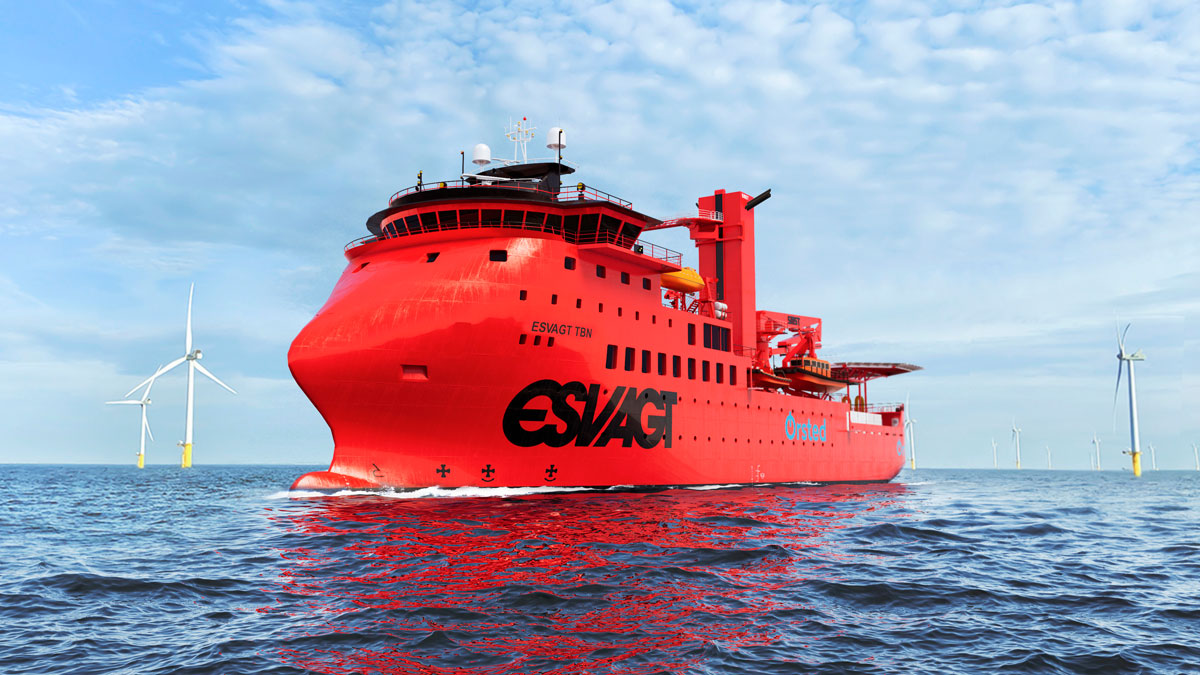
An offshore wind farm is a power station spread across the sea. Dozens of turbines stand miles from land, and every one of them needs inspection, servicing and occasional repair. The technicians who do that work cannot commute from shore each morning when the farm is an hour or more away by boat. Their solution floats: a service operation vessel that sails to the field, stays there for weeks and acts as their home, workshop and transport in one.
The concept changes the economics of maintenance. Instead of daily trips that burn fuel and lose working hours to transit, technicians live close to the turbines, step across to them when the weather allows and return to a proper bed, a hot meal and a workshop each evening. For operators of large, distant wind farms, that model has become the standard way to keep availability high.
Stepping Across the Waves
The signature moment of the working day is the transfer. The vessel positions itself beside a turbine and extends a motion-compensated gangway, a telescopic bridge that constantly adjusts for the movement of the ship. Technicians walk across it carrying tools and parts, much as they would cross a jetty on land. The system makes transfers safer and extends the weather window in which work can happen, because the gangway absorbs heave and roll that would make a ladder transfer risky.
Smaller daughter craft carried on board handle jobs the gangway cannot reach, ferrying teams to nearby turbines while the mother ship stays on station. Between transfers, the vessel moves slowly around the array, planning each day around forecasts, turbine priorities and spare-part availability. A well-run sov vessel is less a taxi and more a mobile base of operations, with a marine crew and an industrial crew working to one shared plan.
A Hotel That Happens to Float
Spending two to four weeks at sea demands more than bunks. Accommodation on these vessels is closer to a good business hotel than to a traditional ship: single cabins with en-suite bathrooms, a restaurant serving varied meals, a gym, lounges and fast internet so technicians can video-call home. This comfort is not a luxury extra. Rest quality affects safety and productivity, and operators compete for skilled technicians who can choose which projects to join.
Below the hotel decks sits the working heart of the ship: warehouses for spare parts, workshops for repairs, offices for planning meetings and a control room coordinating transfers. Motion matters everywhere. Hull design and stabilisation keep the vessel comfortable in moderate seas, because a crew that sleeps badly and works on a rolling deck makes mistakes. Even cabin placement is planned to reduce noise and vibration from machinery spaces.
Weeks at Sea, Planned to the Hour
A typical campaign follows a rhythm. The vessel loads technicians, parts and provisions in port, sails to the farm and then works a pattern of daily transfers, returning to port roughly every two to four weeks for crew change and restocking. On board, the day starts with a weather briefing: if wave heights exceed gangway limits, teams switch to internal tasks, training or workshop repairs until conditions ease.
That flexibility is the point. A shore-based crew loses a whole day to bad weather on the coast; a resident crew can seize a three-hour calm window in the afternoon. Over a season, those recovered hours translate into more completed services and fewer turbines standing idle with faults.
The Quiet Backbone of Offshore Wind
Public attention goes to turbine size and record generation, but availability, the share of time turbines are ready to produce, depends on people reaching them reliably. The service operation vessel makes that possible for farms built far offshore, where the industry is heading as near-shore sites fill up.
As wind farms grow larger and move into deeper, rougher water, these vessels are growing with them: more cabins, bigger warehouses, longer endurance. They are, in effect, the maintenance towns of the new offshore power stations, anchored not to the seabed but to a schedule, a gangway and a crew that calls the ship home for weeks at a time.
